

Pride Month and the Power of Belonging
Wed Jul 22 2026
By Krystyna Boisjolie, MCJ, LSW
VP of Community Services
Pride Month has always been both a celebration and a reflection point for me. Beyond the celebrations, Pride Month is also a call to listen more deeply, to lead with integrity and empathy, and to ensure that every person feels truly accepted, seen, and valued.
At RFK Community Alliance, that commitment doesn’t start and stop in June. It lives in the everyday moments: how we show up for the people we serve, how we support families, and how we design programs that reflect the real needs and lived experiences of our communities.
At its core, our work is about creating environments where belonging is not just possible - it’s felt.
Building Services That Reflect the Communities We Serve
The work we do in Community Services is deeply personal to me—and to our entire team.
In the Community Services division, we build and run programs that provide essential services to specific groups of people. The programs I oversee are:
- Our Detention Diversion Advocacy Program (DDAP) and Massachusetts Youth Diversion Program (MYDP), serving youth of color who are navigating the juvenile justice system.
- Our Achievement in Motion Mentoring program (AIM), serving youth who have completed DDAP and need more time and assistance to navigate to stability.
- Legacy Mentoring, serving youth affected by, or at risk of, commercial sexual exploitation. Mentors with lived experience help them become empowered survivors with the ability to change their own lives.
- Young Adult Supported Living Program (YASL) is designed to provide DCF-referred young adults with individualized housing paired with case management and experiential learning for independent living.
Our programs are grounded in the belief that effective care must reflect the people we serve.
I’m incredibly proud that so many of our team members bring diverse backgrounds and lived experiences to their work. That representation isn’t just meaningful; it’s essential. It builds trust. It strengthens relationships. And it allows us to respond with authenticity and cultural understanding.
Whether we’re offering multilingual support, navigating the unique challenges of rural communities, or simply taking the time to truly listen, we are always asking: How can we meet people where they are?
Listening is one of our most powerful tools. Feedback from youth, families, and community partners continually shape our programs, so they remain relevant and respectful. I’ve seen firsthand that when services are inclusive and tailored, outcomes improve, especially in the lives of the individuals we support.
Collaboration as a Catalyst for Equity
One thing I’ve learned over the years is that not one organization can do this work alone. Our partnerships - with families, schools, community organizations, and other providers - are critical. They allow us to extend our reach and deepen our impact in ways we simply couldn’t achieve independently.
For instance, we recently connected a youth of color with a therapist at a nearby organization that could provide the in-person services they preferred and needed. The therapist also shared a similar cultural identity, which helped support the youth's comfort and engagement in care. This intentional collaboration helped create a more inclusive and affirming environment where the youth felt seen, understood, and respected.
When we work together, we address complex challenges - whether they’re related to education, mental health, access to care, or socioeconomic barriers - with a more holistic approach.
To me, collaboration is one of the clearest expressions of equity. It ensures that support isn’t fragmented or siloed but rather centered on the whole person.
Moving Beyond Acceptance to True Belonging
Across RFK Community Alliance, we talk a lot about belonging - and for good reason.
Belonging isn’t the same as acceptance.
Acceptance says, “You can be here.”
Belonging says, “You matter here.”
That distinction is incredibly important. In our programs, we work to create environments where individuals feel empowered to embrace who they are and define their own paths forward. We center their strengths, goals, identities, and their cultures.
Even our physical spaces are designed with care with welcoming environments that reflect shared humanity and celebrate important milestones like Black History Month, Juneteenth, Hispanic Heritage Month, and, of course, Pride Month. We also prioritize sensory-friendly settings so that individuals of all needs feel safe and supported.
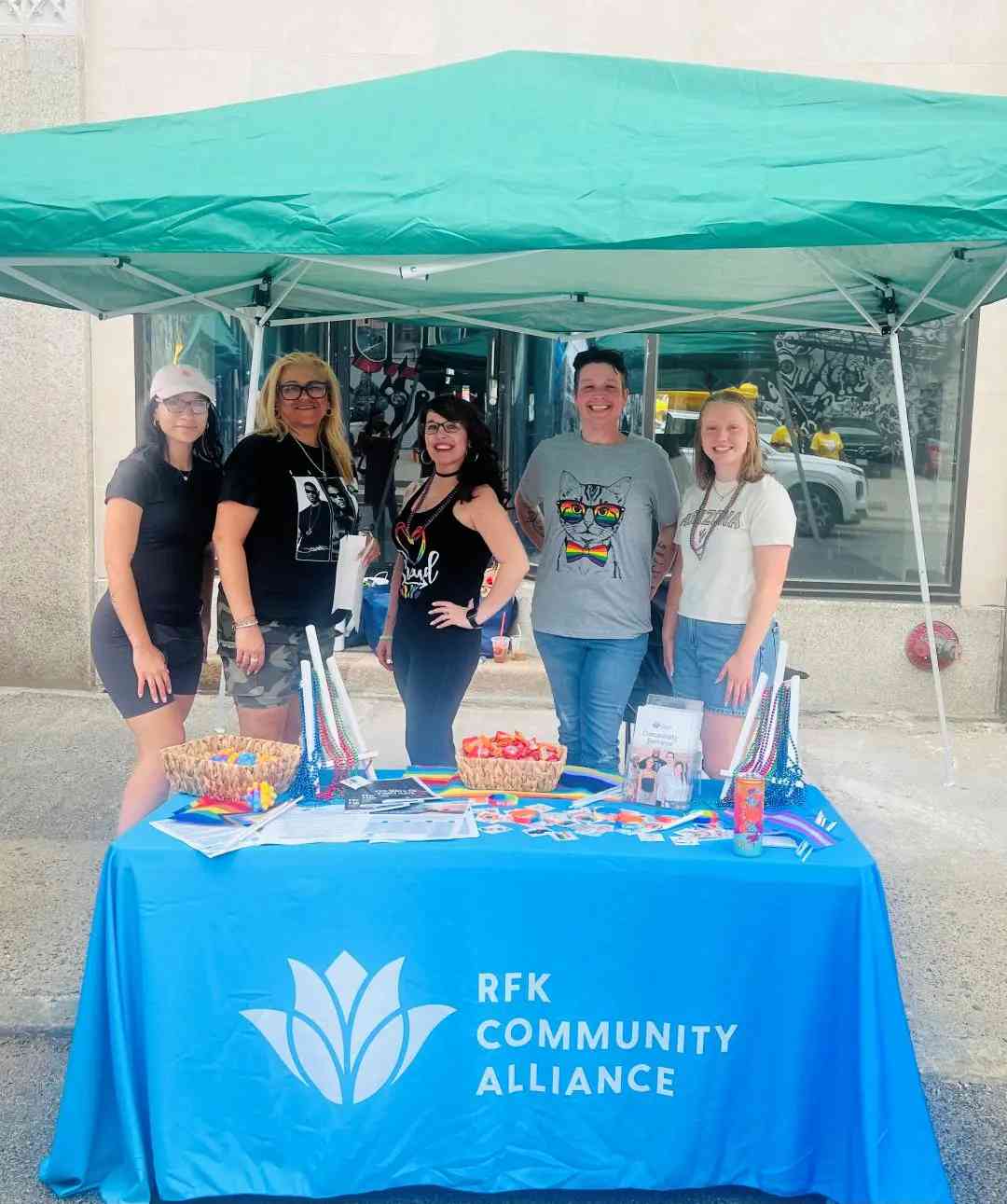
This work shows up in many ways: staff training in cultural competence and unconscious bias, programming that affirms LGBTQIA+ identities, and active participation in local Pride events.
We are intentional about going beyond non-discrimination. We aim to ensure that LGBTQIA+ voices are heard, valued, and represented in decisions at every level.
Centering Dignity, Voice, and Care
Some of the most meaningful moments in our work come from supporting young people navigating layered challenges.
In our Legacy Mentoring program, for example, many of the youth we serve (particularly those who identify as LGBTQIA+) have also experienced trauma, including commercial sexual exploitation or trafficking. Supporting them requires more than expertise. It requires compassion, patience, and unwavering affirmation.
We work to uplift their voices while connecting them to clinical and medical providers who offer knowledgeable, affirming care, including support through gender identity journeys when needed.
These moments are often quiet and deeply personal, and transformative. This is where belonging becomes real.
Real People with Real Stories
Pride Month resonates with me not only professionally, but personally.
As the mother of a transgender young adult, I consider myself a passionate ally of the LGBTQIA+ community. My son has taught me so much. It’s been a journey of growth, perspective, and deep love.
He graduated from high school in 2026 near the top of his class, has earned a scholarship to Western New England University, and is working as a pharmacy technician while pursuing his goals with determination. But what I’m most proud of isn’t just what he’s accomplished - it’s who he is.
He is compassionate, thoughtful, and has a sharp, sarcastic wit that makes me laugh every single day. I truly feel lucky to be his mother.
That personal connection shapes how I see the work we do. It reminds me that behind every program, every policy, every service - there are real people, real families, and real stories.
An Inclusive Path Forward
With my heart still full from a bustling and vibrant Pride Month, I find myself reflecting on what it asks of all of us. Not just to celebrate, but to act.
To continue breaking down barriers. To create spaces where individuals are not only supported but celebrated. To ensure that every voice is heard, and every person feels that they truly belong.
My hope is that we continue to build inclusive communities, engage those we serve in meaningful ways, and expand access to opportunities for everyone.
Because Pride isn’t just about honoring identity.
It’s about building a world where everyone belongs.